Lifestyle
Minimalism: Simplify your life
Let’s dive deep into the concept of minimalism and explore its principles, benefits, and ways to implement it in different aspects of life.
1 views

Somana
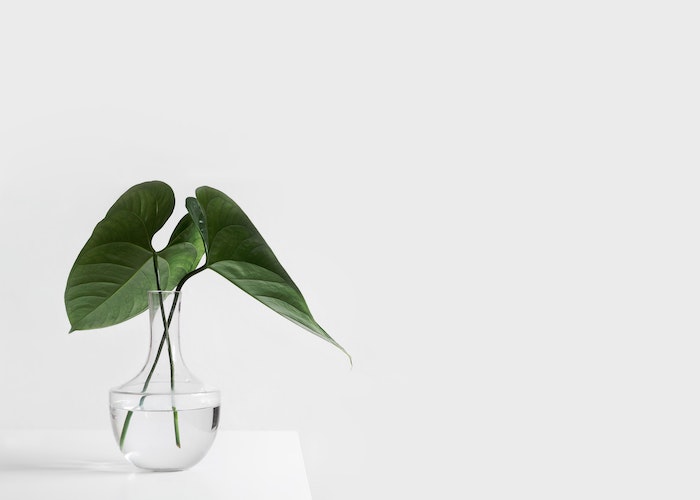
Understanding Minimalism
Minimalism is often misunderstood as living with the bare minimum or in stark, white spaces devoid of personality. However, at its core, minimalism is about intentional living. It means being deliberate about what you bring into your life—be it possessions, relationships, habits, or commitments. By focusing on quality over quantity and aligning your life with your values, you create space for what genuinely brings joy and purpose.
Principles of Minimalism
1. Intentionality: Every item, activity, or relationship in your life should serve a purpose or bring happiness. If it doesn’t, it might be time to let it go.
2. Decluttering: Removing physical, mental, and emotional clutter is a cornerstone of minimalism. Clutter not only occupies space but also drains energy.
3. Quality Over Quantity: Minimalism doesn’t mean depriving yourself. Instead, it’s about choosing fewer, better things that last and add value to your life.
4. Mindfulness: Living in the present moment and making conscious choices is essential for a minimalist lifestyle.
5. Sustainability: Embracing minimalism often means consuming less, which aligns with environmentally friendly practices and reduces your carbon footprint.
Benefits of Minimalism
1. Physical Benefits
• Decluttered Spaces: A clutter-free environment reduces stress and creates a calming atmosphere. Studies have shown that clean and organized spaces improve focus and productivity.
• Less Maintenance: Owning fewer items means spending less time cleaning, organizing, and repairing, leaving you with more time for meaningful activities.
• Better Health: Minimalist living often leads to better health choices, like eating simple, wholesome meals and focusing on physical well-being.
2. Mental Benefits
• Reduced Stress: A minimalist lifestyle reduces decision fatigue, as you have fewer choices to make daily. Simplicity in your surroundings and schedule promotes peace of mind.
• Clarity and Focus: With fewer distractions, you can focus on your priorities and invest energy in what truly matters.
• Freedom from Materialism: Letting go of the need to acquire more allows you to break free from the constant cycle of wanting and dissatisfaction.
3. Financial Benefits
• Savings: Spending less on unnecessary items helps you save money for experiences or goals that matter to you.
• Debt Reduction: Minimalists often focus on living within their means, which can lead to paying off debts faster and achieving financial independence.
• Mindful Investments: Instead of impulse buying, minimalists invest in high-quality items or experiences that have lasting value.
4. Emotional and Spiritual Benefits
• Deeper Relationships: Minimalism encourages nurturing relationships that bring joy and fulfillment rather than maintaining superficial connections.
• Increased Gratitude: By valuing what you have instead of longing for more, you cultivate a sense of gratitude.
• Alignment with Purpose: Minimalism often leads to introspection, helping you discover and focus on your life’s purpose.
How to Simplify Your Life with Minimalism
1. Declutter Your Space
• Start small, perhaps with a single drawer or a closet. Ask yourself, “Do I use this? Does it bring me joy?”
• Use techniques like the KonMari Method or the Four-Box Method (Keep, Donate, Recycle, Discard).
• Avoid sentimentality as an excuse to hold onto items you no longer need.
2. Streamline Your Finances
• Create a budget and track your expenses to identify areas where you can cut back.
• Cancel unused subscriptions or memberships.
• Adopt a “one in, one out” policy: for every new item you buy, let go of an old one.
3. Simplify Your Digital Life
• Declutter your digital devices by deleting unused apps, emails, and files.
• Unsubscribe from newsletters or social media accounts that don’t add value to your life.
• Set boundaries for screen time to prioritize real-world connections and activities.
4. Prioritize Your Commitments
• Learn to say no to activities or events that don’t align with your priorities.
• Focus on fewer but more meaningful goals, projects, or hobbies.
• Maintain a work-life balance by avoiding overcommitting to tasks.
5. Adopt a Minimalist Mindset
• Practice mindfulness by focusing on the present moment and appreciating the simple pleasures in life.
• Shift your mindset from “more is better” to “less is more.”
• Reflect regularly on your values and adjust your lifestyle accordingly.
6. Embrace Sustainable Practices
• Reduce, reuse, and recycle as part of your daily habits.
• Choose durable, eco-friendly products over disposable ones.
• Opt for experiences over material possessions, like traveling, learning, or spending time with loved ones.
Minimalism Beyond Materialism
Minimalism isn’t just about owning fewer things; it extends to every aspect of life:
• Minimalist Wardrobe: Capsule wardrobes with versatile, high-quality pieces.
• Minimalist Diet: Simple, wholesome meals with minimal processed foods.
• Minimalist Work: Focused tasks, clear goals, and a clutter-free workspace.
• Minimalist Relationships: Fewer but deeper and more meaningful connections.
Challenges of Adopting Minimalism
• Letting Go: Parting with possessions, even unnecessary ones, can be emotionally challenging.
• Societal Pressure: Consumer culture and societal norms often promote materialism, making minimalism counterintuitive.
• Perceived Deprivation: Some may mistakenly see minimalism as sacrificing comfort or luxury, rather than prioritizing meaningful living.
Conclusion
Minimalism is not a rigid set of rules but a flexible and personal approach to simplifying life. It empowers you to focus on what truly matters, fostering a sense of freedom, clarity, and contentment. By embracing minimalism, you can reduce stress, improve your well-being, and create space—both physically and mentally—for the things and people you love.
Ultimately, minimalism is about living intentionally, consuming consciously, and appreciating the beauty of simplicity. It’s a path to a richer, more fulfilling life, where less truly becomes more.
Log in to comment on this blog.
Loading