Story
The Pendle Witches: A Chilling Tale of Betrayal and Hysteria
Lancashire isn’t just gloomy—it’s practically dripping with dread. The forests whisper secrets, fog clings to the hills like a curse, and everyone is just one strange sneeze away from being branded a witch.
13 views

Akarsh Rajput
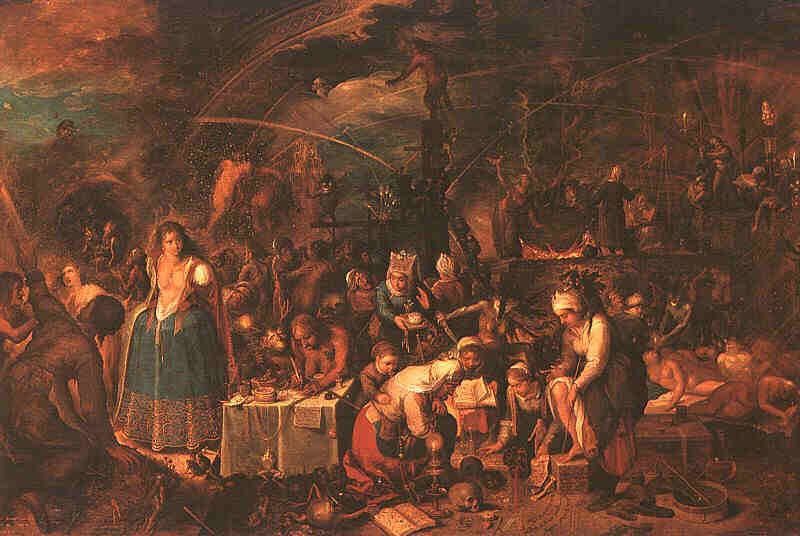
Lancashire isn’t just gloomy—it’s practically dripping with dread. The forests whisper secrets, fog clings to the hills like a curse, and everyone is just one strange sneeze away from being branded a witch. With King James I obsessed with the dark arts (he even wrote a book, Daemonologie), the nation’s on edge. Poor? Suspicious. Old? Suspicious. Talk to cats? Very suspicious.
In this pressure cooker of paranoia, religion, and political unrest, superstition runs wild—and in Pendle, two families are about to explode into one of the most infamous witch trials in history.
The Demdike and Chattox clans are rivals—poverty-stricken, scraping by with herbal cures and whispered threats. Old Demdike and Old Chattox aren’t exactly friendly neighbors. These women have reputations—midwives, healers… maybe witches? Depends who you ask and how many beers they’ve had.
Their long-standing grudge becomes the kindling for a bonfire of hysteria.
Young Alizon Device, from the Demdike clan, begs a peddler for pins. He refuses. She mutters something, and bam!—the guy collapses. Coincidence? Probably. But in Pendle? That’s witchcraft.
Terrified, Alizon confesses—not just to cursing the man, but to having a demon helper named Tibb, and even implicates her own family and their rivals, the Chattoxes. Her words, scared and confused, become the fuel for an inferno.
Enter Roger Nowell, magistrate and wannabe witch-hunting rockstar. He sees Alizon’s confession as his golden ticket to curry favor with the king. He rounds up the Demdikes and Chattoxes like they’re trading cards.
What follows is a mudslinging contest of the damned. The families accuse each other of murder, curses, and demon dealings. It’s like a courtroom version of Survivor, except the losers hang.
Then comes the twist: Jennet Device, Alizon’s nine-year-old sister, takes the stand. Her testimony is devastating. She accuses her own mother, Elizabeth Device, of hosting witchy gatherings at Malkin Tower—a sabbath of spells, animal sacrifices, and plots to blow up Lancaster Castle.
The courtroom is stunned. A child turning on her family? In 1612, that’s not just believable—it’s seen as divine truth.
In August 1612, ten people stand trial. The evidence is laughably thin: stories of clay poppets, black dogs, and demons named Fancie and Tibb. But fear and superstition tip the scales.
Old Demdike dies in jail. The rest are sentenced to hang. On August 20, they’re executed on Gallows Hill—a grotesque public event. Among them: Alizon, her brother James, her mother Elizabeth, and their enemies, the Chattoxes.
And just when you think it’s over…
Jennet Device, once the golden child of the witch trials, is herself accused of witchcraft twenty years later, in 1633.
Whether it was karma, politics, or just the same hysteria coming full circle, Jennet’s fate reminds us of one cruel truth: in a world drunk on fear, no one is safe—not even the ones holding the torch.
The Pendle Witch Trials weren’t just about witches. They were about power, poverty, family betrayal, and the terrible cost of fear. Innocent people died because they were different, poor, or simply unlucky.
And the saddest part? This wasn’t a tale of magic—it was a tale of mass paranoia… and how easily society turns on its own.
Log in to comment on this blog.
Loading